Get Tree Canopy Thinning
Tree Canopy Thinning services help property owners improve safety, reduce storm risk, and enhance yard visibility by connecting them with local contractors experienced in selective tree trimming.
Tree canopy thinning services can be an important part of maintaining a healthy and balanced landscape. Property owners in the area may consider this work to improve sunlight exposure, reduce wind resistance, or manage the overall growth of their trees. Exploring local contractors who specialize in canopy management can help ensure the work aligns with specific landscape goals and local conditions, making it easier to plan and compare options tailored to individual property needs.
If you are evaluating options for tree canopy thinning, it’s helpful to look into the experience and approaches of nearby service providers. Many local contractors offer expertise in assessing tree health and growth patterns, providing solutions that support both aesthetic and practical property considerations. Continuing to explore your choices can lead to well-informed decisions that suit your landscape’s unique requirements.
- Tree Canopy Thinning - when overgrown trees are causing obstruction or safety concerns in residential or commercial areas.
- Tree Canopy Thinning - to improve air circulation and sunlight penetration in densely wooded properties.
- Tree Canopy Thinning - for properties experiencing damage or stress due to excessive leaf and branch weight.
- Tree Canopy Thinning - when reducing tree density is necessary to prevent potential damage to structures or power lines.
- Tree Canopy Thinning - to promote healthier tree growth and prevent disease by reducing overcrowding.
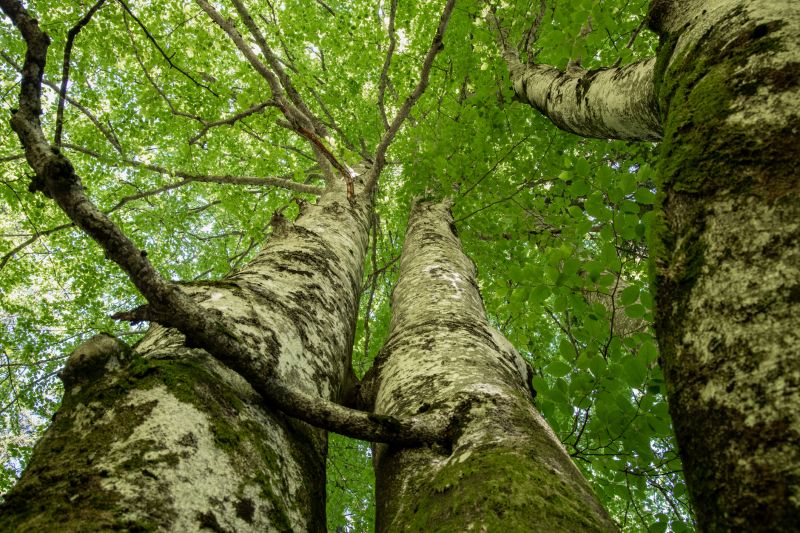
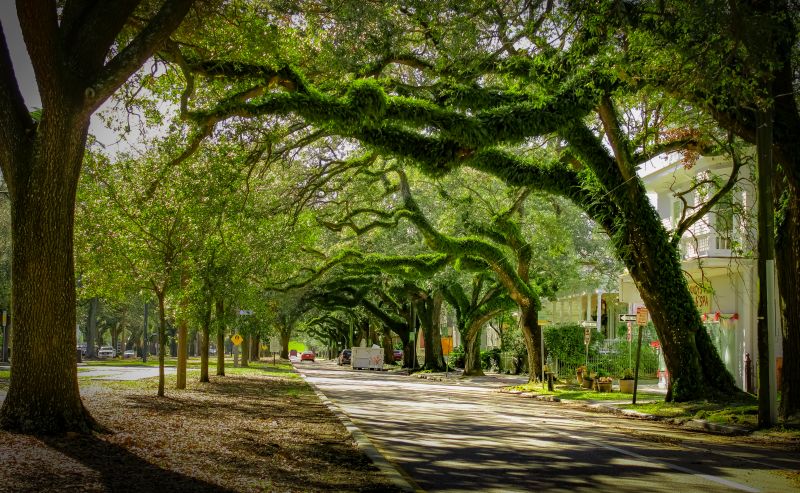
Tree canopy thinning services involve carefully reducing the density of a tree’s upper branches and foliage. This process is performed by experienced contractors who assess the health and structure of the tree to determine the appropriate amount of thinning needed. The goal is to improve sunlight penetration, increase airflow through the canopy, and reduce the weight on the branches. Proper thinning can help maintain the overall health of the tree while also enhancing the aesthetic appeal of the property.
These services are often sought to address issues such as overgrown or crowded canopies that block sunlight, create excessive shade, or cause branches to become weak and prone to breaking. Thinning can also alleviate stress on the tree caused by high winds or heavy snow loads, reducing the risk of limb damage or falling branches. Homeowners concerned about their trees becoming hazardous or experiencing poor growth may find thinning to be an effective solution to promote healthier, more balanced growth.
Properties that typically use tree canopy thinning services include residential yards with large or mature trees, commercial properties with landscaped grounds, and public parks or community spaces. Homeowners who notice their trees are overly dense, have dead or diseased branches, or show signs of structural imbalance may consider thinning as part of their tree maintenance routine. This service can also be useful for properties where tree health or safety is a concern, especially in areas with high foot traffic or nearby structures.
Choosing to have trees professionally thinned can help prevent future problems and extend the life of the trees. Local contractors experienced in canopy thinning can evaluate the specific needs of each tree, ensuring the work is done correctly and safely. Contacting a qualified service provider can provide homeowners with the expertise needed to improve their landscape’s health, safety, and appearance through proper canopy management.
The overview below groups typical Tree Canopy Thinning projects into broad ranges so you can see how smaller, mid-sized, and larger jobs often compare in your area.
In many markets, a large share of routine jobs stays in the lower and middle ranges, while only a smaller percentage of projects moves into the highest bands when the work is more complex or site conditions are harder than average.
Smaller Repairs - typically cost between $250 and $600 for routine thinning jobs on small or accessible areas. Many projects in this range are common and involve minimal equipment or labor. Costs can vary based on tree size and location.
Moderate Thinning - usually fall within $600 to $1,500 for more extensive thinning on medium-sized trees or larger areas. Many local contractors handle these projects regularly within this range, though complexity can influence the final price.
Large or Complex Projects - can range from $1,500 to $3,500 or more, especially for mature trees or extensive canopy work. Fewer projects reach into this higher tier, which often involves specialized equipment or additional safety measures.
Full Canopy Thinning or Replacement - larger, more comprehensive services can reach $5,000+ depending on the scope and number of trees involved. These projects are less common and typically require detailed planning and significant labor investment.
Actual totals will depend on details like access to the work area, the scope of the project, and the materials selected, so use these as general starting points rather than exact figures.
Tree pruning projects - these involve selective trimming to improve tree health and structure, similar to canopy thinning techniques used to manage light and airflow.
Urban forestry management - professionals in this field plan and execute tree care strategies that include canopy reduction to promote safety and growth in urban environments.
Landscape tree trimming - this service focuses on shaping and maintaining trees within landscapes, requiring skills in precise cutting and planning akin to canopy thinning.
Storm damage cleanup - removing broken or hazardous branches involves careful assessment and cutting, paralleling the planning needed for effective canopy management.
Tree health assessments - evaluating tree condition helps determine necessary thinning or pruning, requiring similar expertise in planning and execution.
Emergency tree removal - removing unstable or dangerous trees involves strategic cutting and planning, related to the techniques used in canopy thinning services.
When comparing service providers for Tree Canopy Thinning, it’s important to consider their experience with similar projects. Homeowners should look for local contractors who have a proven track record of handling tree thinning or related arboricultural work in the area. Asking about the types of trees they have worked on and the scope of previous projects can provide insight into their familiarity with the specific challenges involved. An experienced professional will be able to offer informed guidance on the best approaches for maintaining healthy, balanced tree canopies tailored to the local environment.
Clear written expectations are essential when evaluating potential service providers. Homeowners should seek detailed descriptions of the work scope, including what will be done, the methods used, and any necessary follow-up. Having this information in writing helps ensure that both parties share an understanding of the project’s goals and avoids misunderstandings. Reputable local contractors often provide written proposals or estimates that outline the specific services offered, which can serve as a useful reference point during decision-making.
Good communication and reputable references are key indicators of a reliable service provider. Homeowners are encouraged to ask for references from past clients who have had similar Tree Canopy Thinning work completed. Contacting these references can reveal insights into the contractor’s professionalism, responsiveness, and quality of work. Additionally, choosing a local provider known for clear, prompt communication can make the entire process smoother and more transparent. It’s important to remember that this site connects homeowners with local service providers who are capable of handling the work, rather than performing the work itself.
Property owners use Tree Canopy Thinning services for practical projects around their homes and businesses. This guide focuses on everyday jobs and straightforward project options.
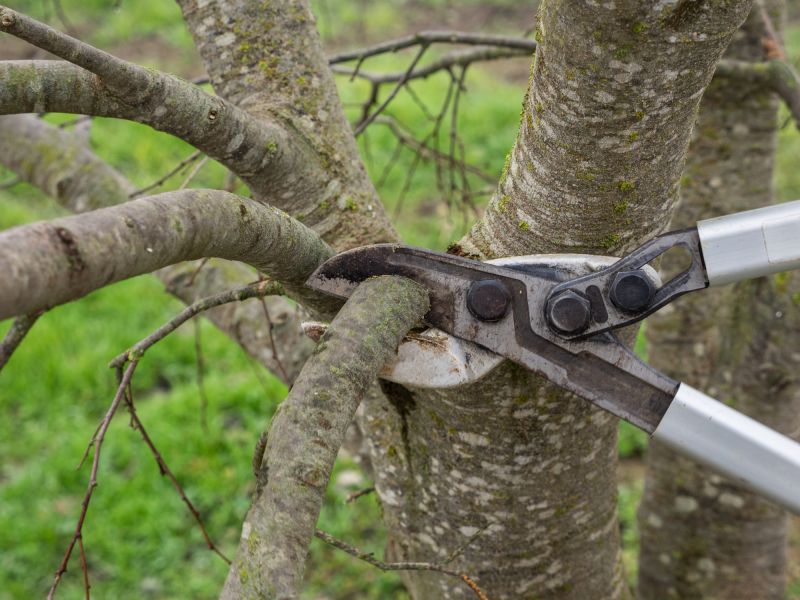
Tree canopy thinning services are often sought after by property owners dealing with overgrown or densely packed trees that block sunlight, hinder views, or cause concerns about falling branches. In many cases, homeowners or business owners may notice that their trees have become too crowded or tall, leading to potential safety issues or the need to improve the overall appearance of the landscape. Local contractors can help manage these situations by carefully reducing the size and density of the canopy, promoting healthier growth and reducing the risk of damage during storms.
Property owners might also look for canopy thinning when preparing for seasonal changes or to prevent trees from interfering with power lines, structures, or nearby trees. Thinning can help improve air circulation and sunlight penetration, which benefits the health of remaining branches and the surrounding landscape. Service providers in the area can assess individual trees and recommend appropriate thinning solutions to meet the specific needs of each property.
What is tree canopy thinning? Tree canopy thinning involves selectively removing branches to reduce the density of a tree's foliage, which can improve air circulation and sunlight penetration.
Why might someone need tree canopy thinning? This service can help prevent overgrowth, reduce the risk of branch failure, and promote healthier tree development.
How do local contractors perform canopy thinning? They assess the tree's structure and carefully prune branches to achieve desired thinning, ensuring the tree remains healthy and stable.
Is tree canopy thinning suitable for all types of trees? It is generally suitable for mature trees with dense canopies, but a professional evaluation can determine if it's appropriate for specific species.
What benefits can tree canopy thinning provide? Thinning can enhance the tree's health, improve safety by reducing weight on branches, and allow more light to reach the ground below.
Tree Canopy Thinning for Better Sunlight - Property owners can improve sunlight exposure on lawns and outdoor spaces by reducing excessive canopy cover.
Enhancing Air Circulation with Canopy Thinning - Thinning trees can promote better airflow around a property, helping to reduce humidity and prevent mold.
Managing Tree Growth for Safety - Thinning services can help maintain the safety of trees near structures or walkways by reducing weight and risk of falling branches.
Preparing Trees for Seasonal Changes - Tree canopy thinning can be part of seasonal maintenance to help trees adapt to weather conditions and reduce storm damage.
If you are thinking about Tree Canopy Thinning for a property, this guide is meant to help you understand the work, the typical project types, and how different options might fit your plans.
When you are ready, you can use the quote form on this page to share a few details about your project. From there, local pros can review the basics and respond with options that match what you have in mind.